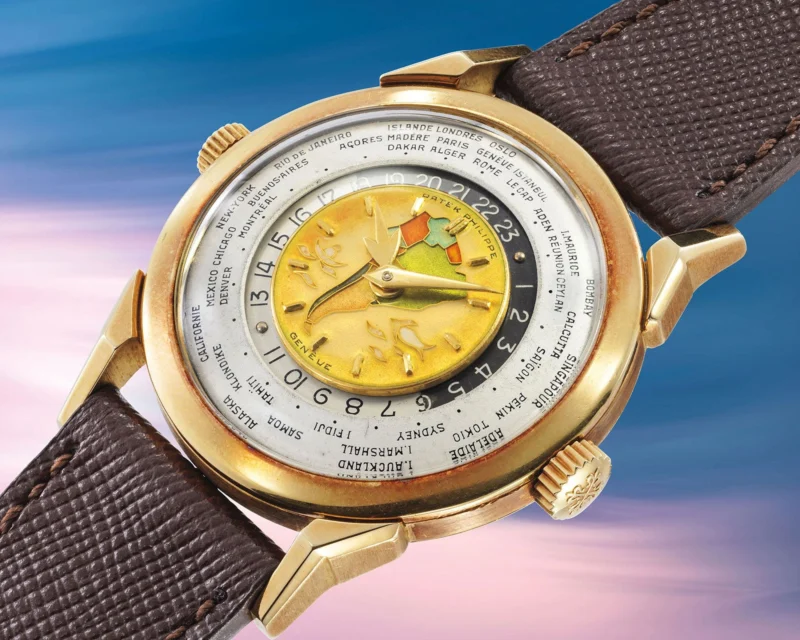
The collector's eye
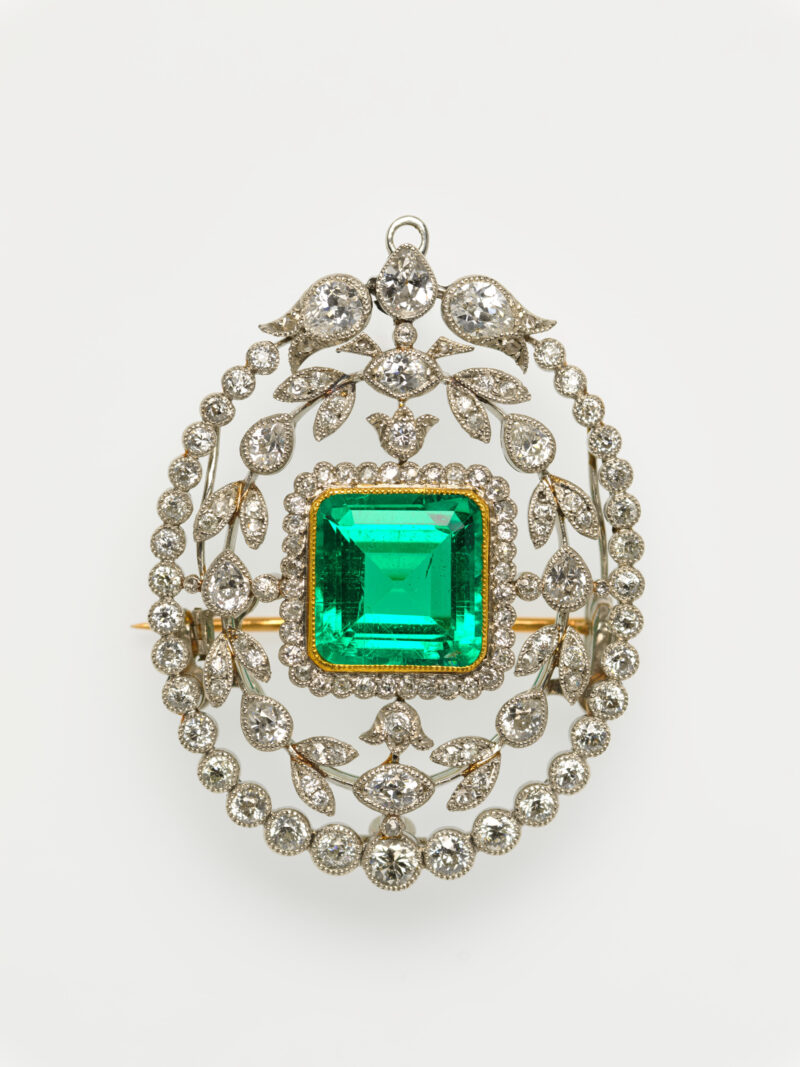
The Emerald Brooch: A Jewel Worth Turning Over
An emerald, a fine platinum framework and the fittings on the reverse: a close reading of a brooch the Met attributes, cautiously, to Tiffany & Co.

The Ledger
Look closer. Follow the marks, materials and stories that make an object worth understanding and keeping.
The collector's eye
An emerald, a fine platinum framework and the fittings on the reverse: a close reading of a brooch the Met attributes, cautiously, to Tiffany & Co.
The reading room
A signature, a worked surface, a mark inside a case. Two objects invite a closer kind of looking.
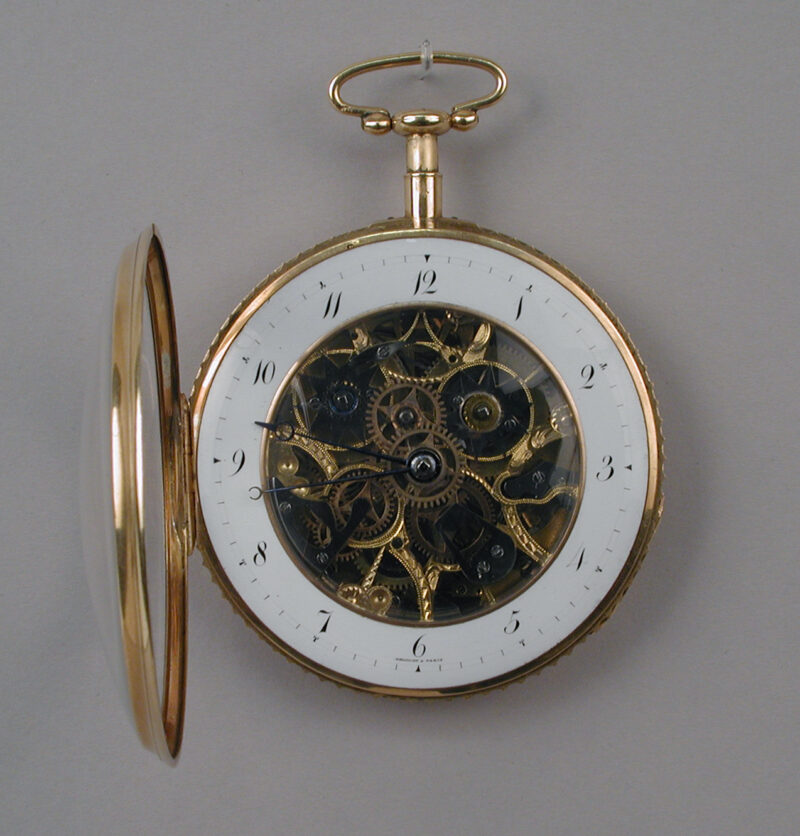
01Collector's study
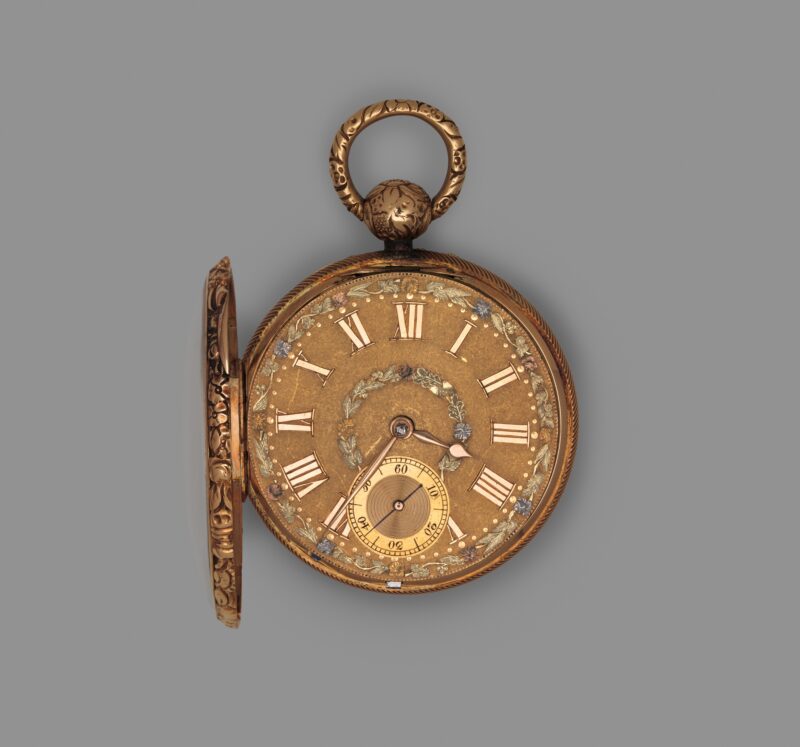
02Collector's study
What changed
Dated reporting selected for the object, source trail and collector question it makes visible—not for a promise of appreciation.
Ownership guides
Practical ownership begins with condition, documentation and the right specialist relationships—not a prediction of future value.
Read case, dial, movement and intervention together before deciding what original condition really means.
Open the guide ↗Build a service chronology that stays with the watch and makes every intervention legible to its next custodian.
Open the guide ↗Turn receipts, certificates, archive extracts and catalogue notes into a record that can be tested rather than merely repeated.
Open the guide ↗Auctions & secondary market
A sale result is one observed transaction. Its meaning depends on condition, provenance, estimate basis, fees, currency and the date of sale.

Permanent guide
The fall of the hammer is wonderfully clear; the number that appears afterwards can be less so. An auction begins with an estimate, arrives at a final accepted bid and then adds the buyer’s premium according to the house’s published terms. The reported result often combines those last two figures, while taxes and other costs may sit beyond it. Understanding the sequence takes only a few minutes—and makes every catalogue, result page and future comparison far more enjoyable to read.
Read the guideMethod / The Ledger
TheTimeo separates observed results from interpretation. Where figures appear, the source, date, currency or unit and comparison method should travel with them. Estimates are not outcomes, isolated sales are not a market, and editorial context is not financial advice.
Cross-world intelligence
Market context begins with what changed in the watch, jewel or house—not with a price chart detached from the object.
The collector's desk
Explore the language of prices, the papers that travel with an object, and the details to examine before choosing.
01Collector's guide

02Collector's guide
Explore TheTimeo