
TheTimeo / Luxury Living
COCO CRUSH.
Choosing the mix.
CHANEL’s Style Guide shows how COCO CRUSH changes when rings, bracelets, earrings and a short necklace are edited by scale, metal and position rather than worn by formula.

COCO CRUSH mini rings distribute the quilted motif across the hand.
Explore the story
On one hand, a few narrow rings can set the pace. At the wrist, the same quilted line becomes broader and more graphic. Move to the ear or neckline and the distance between pieces matters as much as the pieces themselves. COCO CRUSH is most interesting when its repeated motif becomes a tool for personal choice rather than a formula for wearing more.
CHANEL’s own Style Guide makes the collection unusually easy to read in this way. It shows rings sharing one finger, mini rings moving across different fingers, bracelets stacked in different gold colours, and earrings gathered at different heights. The collection supplies the common language: rounded squares, clean incisions, scalloped edges and a curved profile. The wearer decides how much repetition to keep, and where to break it.
Scale, metal, diamonds and position change the character of a combination even when the underlying motif stays constant.
Start with one decision
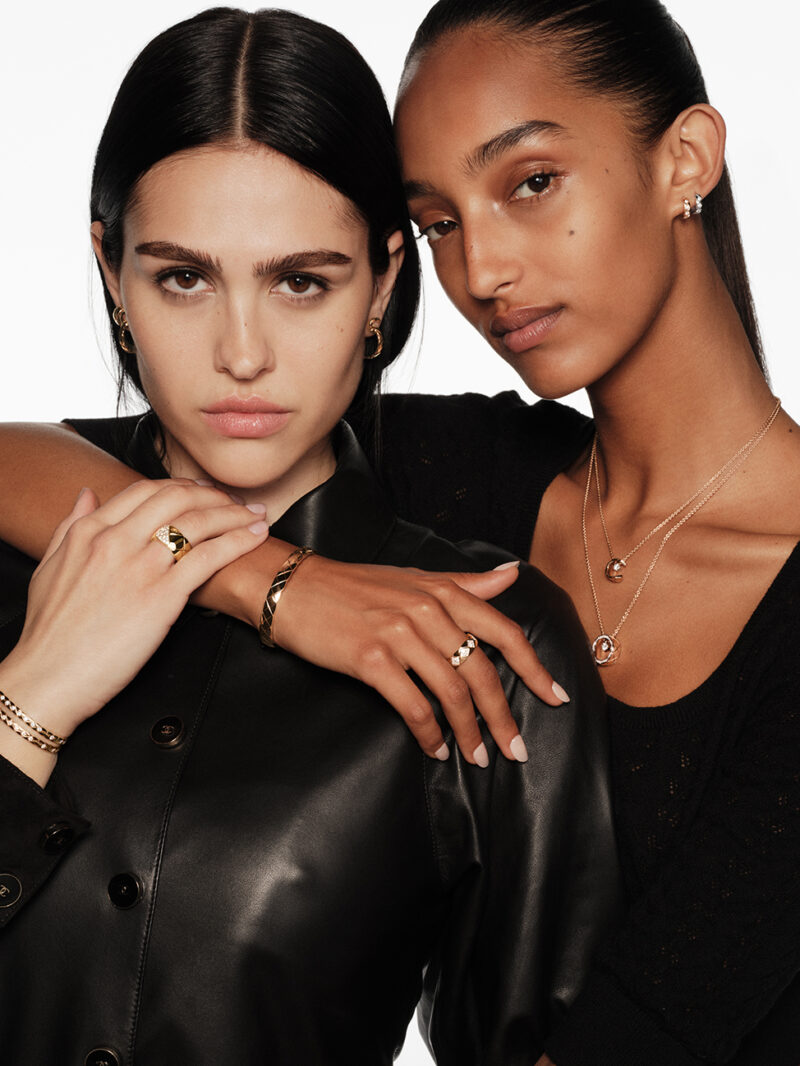
COCO CRUSH moves across hands, wrists and neckline in an official CHANEL collection image, showing how the same motif changes with scale and position.
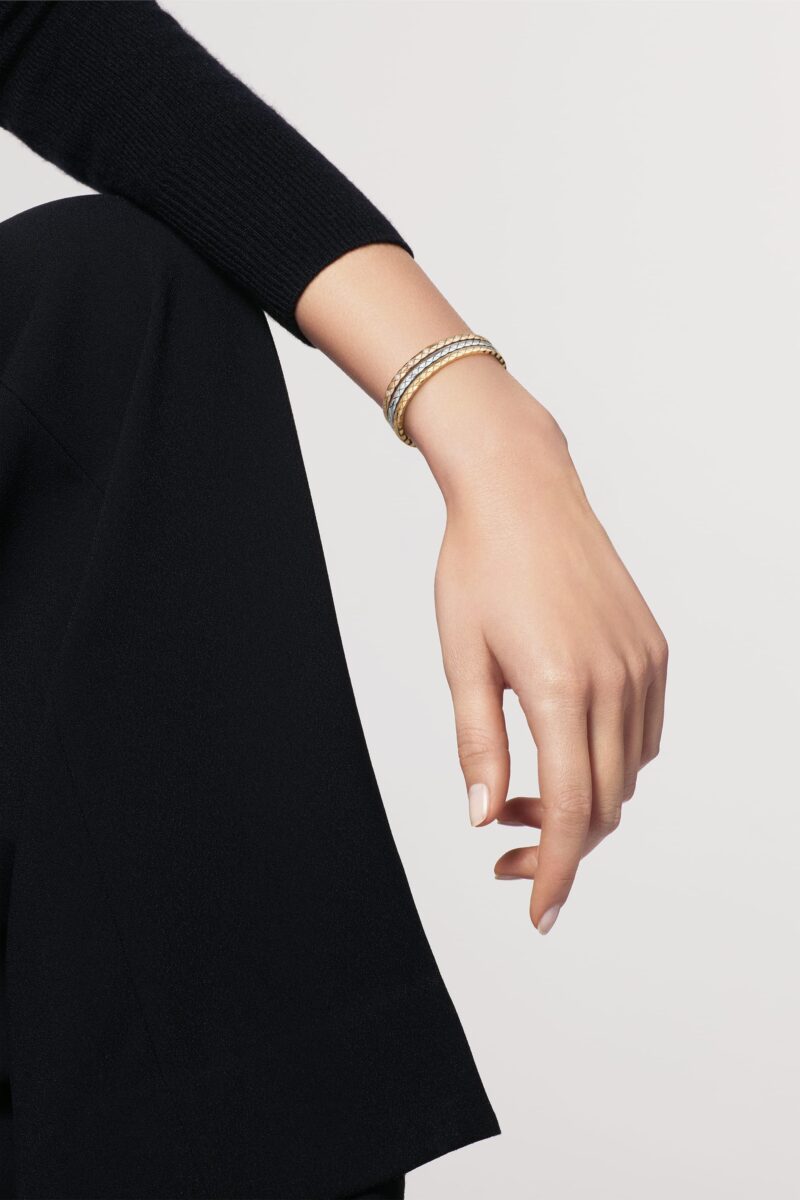
A stack of slim COCO CRUSH bracelets turns repetition into rhythm at the wrist.
The simplest way into COCO CRUSH is to choose the first point of emphasis.
On the hand, a mini ring can be almost a line of light. A broader ring has more visual weight, especially when the quilted incisions are allowed to sit alone around the finger. CHANEL’s Style Guide calls one of its approaches “All for One”, placing different ring sizes and gold colours on a single finger. Another, “Mini but Many”, spreads smaller rings across different fingers or hands.
Those two ideas produce very different results from the same collection. Concentrating rings on one finger creates density in a precise place. Spreading them out lets the motif recur at intervals, with skin between the pieces. Neither is inherently more sophisticated. The choice is about where the eye should settle.
The same logic applies when a bracelet becomes the starting point instead. An official worn image of a COCO CRUSH mini bangle shows how quickly the quilted surface registers against a plain black sleeve. Add another bangle and the composition starts to develop rhythm. Leave the rest of the hand quieter and the wrist remains the centre.
This is a useful way to think about the collection because it prevents “layering” from becoming an instruction to accumulate. Begin with the area you want to emphasise, then decide whether the next piece should reinforce it or move the eye elsewhere.
Change scale before adding more
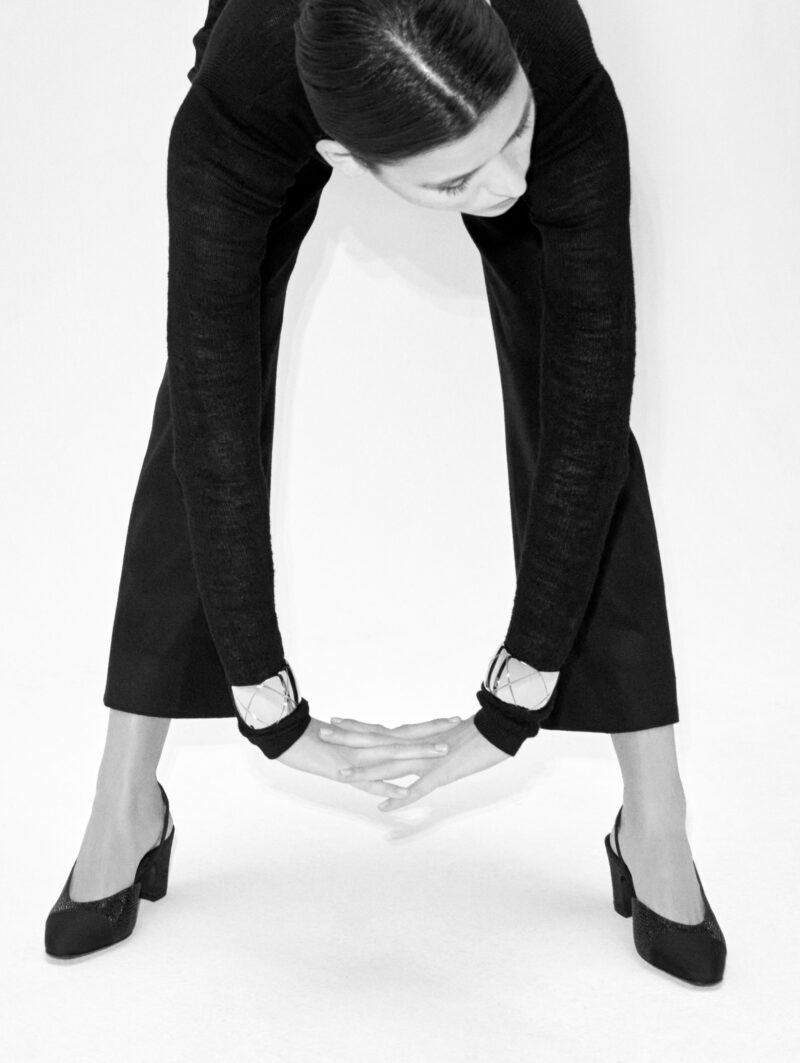
A COCO CRUSH cuff on each wrist makes repetition a deliberate choice.
COCO CRUSH is available in different proportions, and scale can do more work than quantity.
A narrow piece repeats the motif without dominating the hand or wrist. A larger ring or bangle makes the same incisions more architectural. Put the two together and the contrast becomes immediately legible, even when the metal stays the same.
The Style Guide’s “Triple CRUSH” approach is especially clear on this point: mini, small and large rings can sit within one composition while remaining recognisably related. The interesting part is not the number three. It is the progression. One piece establishes the motif, the next changes its weight, the third makes the difference deliberate.
Two yellow-gold cuffs, one on each wrist, offer another possibility. The quilted incisions recur at a distance, with neither wrist carrying a stack. Repetition becomes a matter of spacing as much as scale.
For a wearer, the practical question is therefore less “How many?” than “How much visual weight?” A single broad ring can feel more emphatic than several narrow ones. Three slim bangles can create a finer, faster rhythm than one diamond-set bracelet. Scale is part of the choice, not a technical footnote.
Let the wrist carry contrast
A stack of slim COCO CRUSH bracelets turns repetition into rhythm at the wrist.
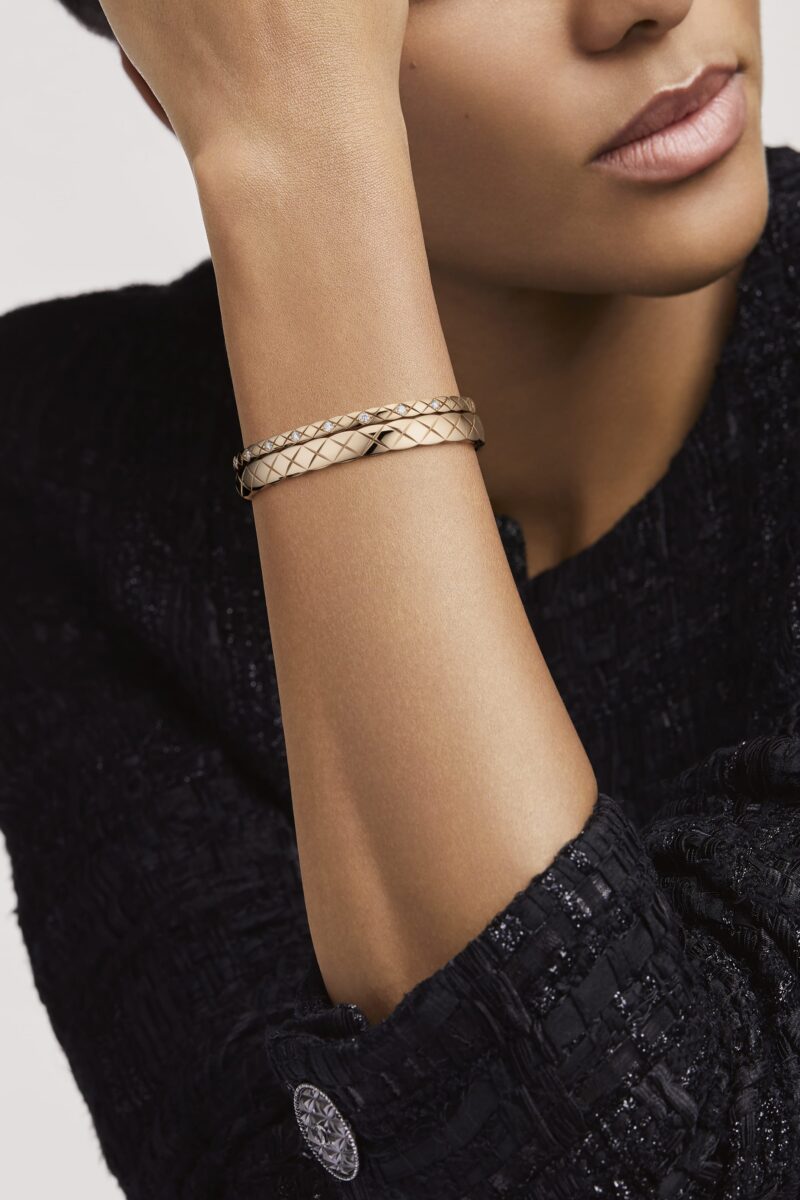
Two bracelets in the same visual family show how scale can create contrast even before metal colour or diamonds change.
A COCO CRUSH cuff on each wrist makes repetition a deliberate choice.
The wrist is where differences in metal and surface become easiest to compare.
CHANEL’s Style Guide shows COCO CRUSH bracelets in yellow gold, BEIGE GOLD and white gold, with and without diamonds. Official product photography also places two or three bangles together, allowing the polished quilted surfaces to meet without turning them into a matched set.
That is an important distinction. Matching repeats a decision. Mixing introduces another one.
BEIGE GOLD brings warmth without the stronger yellow note of classic yellow gold. White gold creates a cooler line. Diamonds interrupt the polished surface with a different kind of light. When those materials sit next to one another, the shared quilted motif keeps the group coherent while the finishes stop it becoming flat.
The bracelets also introduce a construction detail that supports the visual idea. The mini bangle J12326 uses the COCO TWIST invisible rotating clasp, allowing the rigid form to read as a continuous circle when closed. That matters visually because the bracelet presents the motif without a conventional clasp interrupting the line.
There is no need to turn this into a rule about mixing metals. A single-colour stack can be strong because scale does the work. A mixed stack can be strong because colour and diamonds create contrast. The deciding factor is whether each added bracelet changes the composition enough to justify being there.
Earrings move the composition upwards
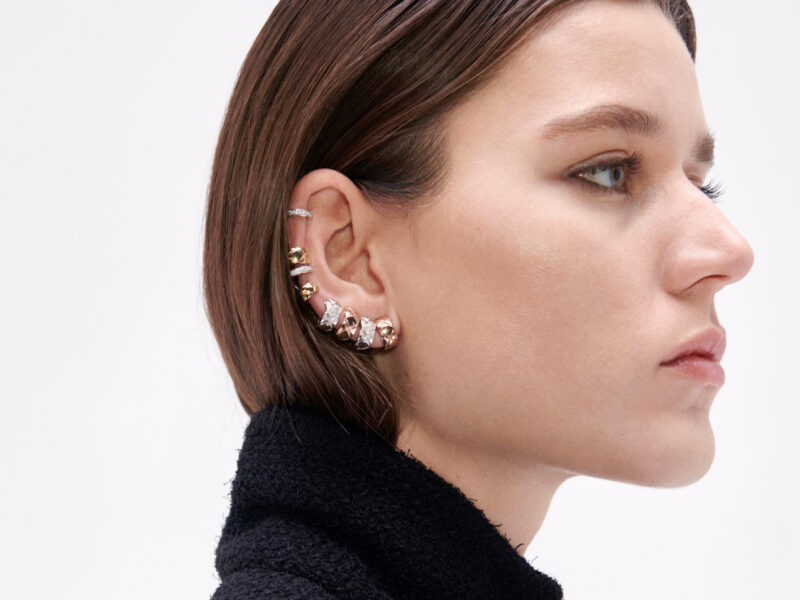
COCO CRUSH earrings in different sizes, gold colours and diamond settings create a vertical composition.
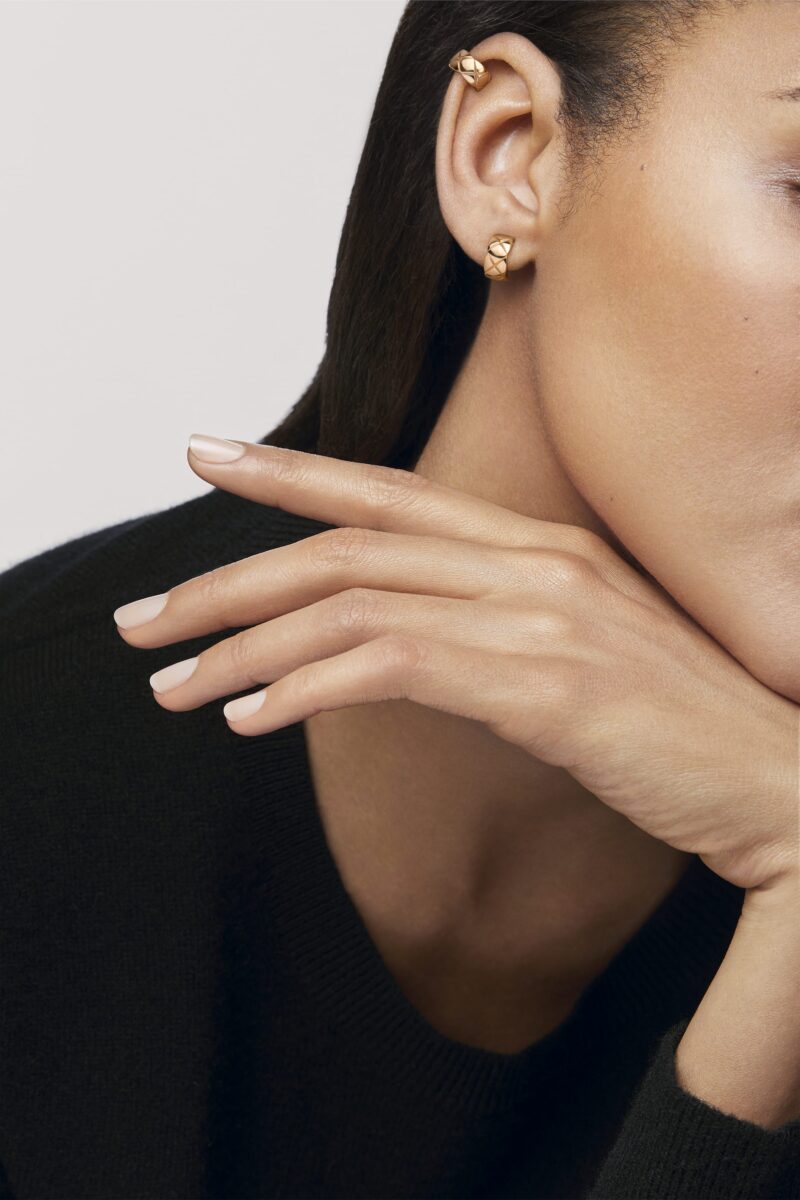
Two positions on the same ear show how spacing can create variation without changing the collection's basic motif.
COCO CRUSH becomes less predictable when the same language moves away from the hand.
The official earring photography is particularly useful because it shows two different ways of using the ear. One image brings different sizes, gold colours and diamond settings together along the ear. Another shows BEIGE GOLD earrings at two heights. The motif is still recognisable, but the relationship between the pieces becomes vertical rather than stacked along a finger or wrist.
This changes the balance of the whole look. Rings and bracelets are often seen together because the hand and wrist naturally share the same field. Earrings sit apart. They can repeat the metal already used elsewhere, or deliberately introduce a different tone without making the combination feel crowded.
The Style Guide also presents multiple COCO CRUSH earrings together in yellow gold, BEIGE GOLD, white gold and diamonds. The useful lesson is not that every ear needs several pieces. It is that position can create variety even when the design family stays constant.
A small earring at the upper ear reads differently from one at the lobe because the surrounding space changes. The jewellery remains the protagonist, but the body supplies the distance that makes the composition legible.
Give the neckline more space
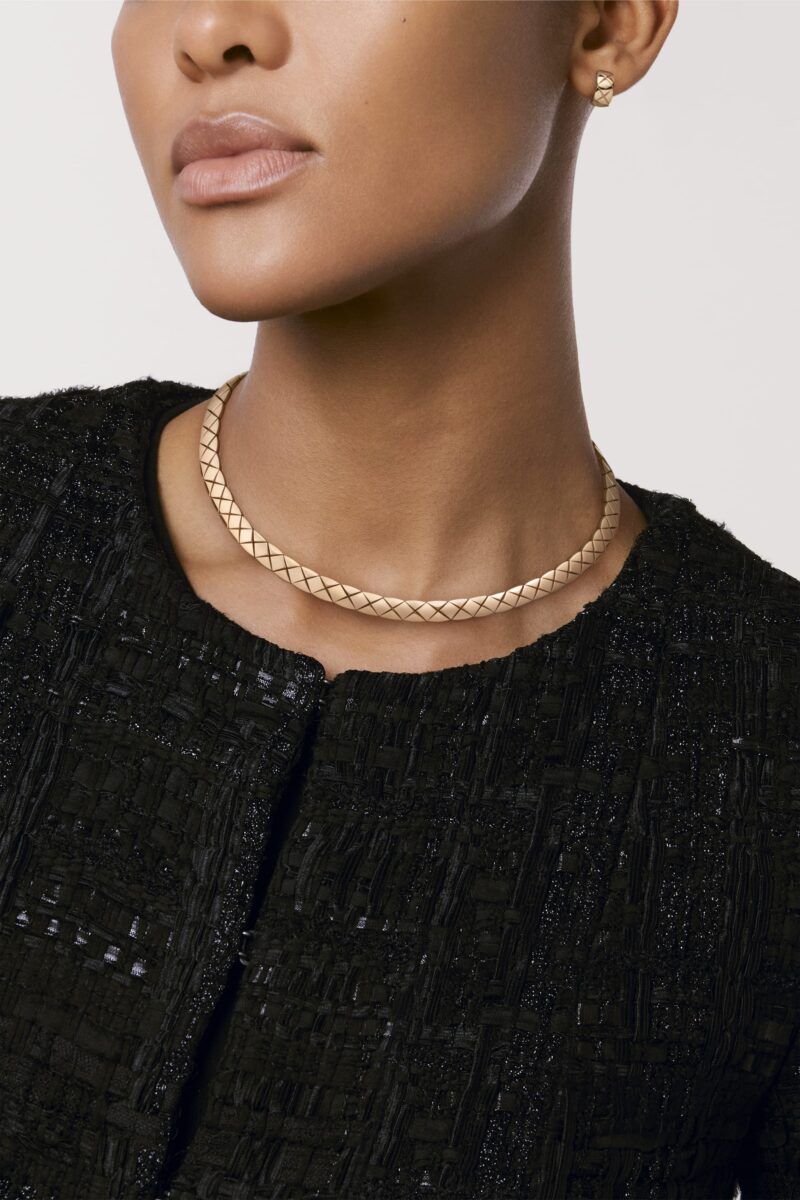
The short necklace stretches the quilted motif into a continuous line, creating a quieter counterpoint to stacked rings or bracelets.
A short necklace changes the pace again.
In official imagery for the supple short COCO CRUSH necklace in BEIGE GOLD, the quilted line sits close to the base of the neck and is paired with a small matching earring. The effect is quieter than a dense ring or bracelet stack. There is more uninterrupted skin around the jewellery, so the repeated motif reads as a continuous contour rather than a cluster.
This is where restraint becomes useful. If the wrist is already carrying several bracelets, a single necklace can extend the collection without repeating the same degree of density. If the hand is quiet, the necklace can become the main statement.
The Style Guide’s “Total Look” demonstrates that rings, bracelets, earrings and necklaces can all coexist. It is a convincing display of the collection’s range, but it does not need to be copied literally. For real personal choice, the more interesting question is which part of that vocabulary belongs to the wearer at a particular moment.
A necklace can create that pause. It moves the eye away from the hands and gives the collection another scale on the body. The motif remains familiar; the spacing changes.
Choosing the mix
COCO CRUSH has enough repetition built into its design that the wearer does not need to manufacture coherence. The quilted incision already does that work.
Personal choice begins with what changes around it.
Keep the metal constant and vary scale. Keep the scale close and change the gold colour. Add diamonds to one piece rather than every piece. Concentrate rings on one finger, then leave the wrist quieter. Or make the bracelets the centre and let a single necklace carry the motif upwards.
The strongest combinations have a reason for each addition. They do not need to be maximal, symmetrical or tied to one prescribed set. They simply need to show a decision.
That is why the Style Guide is more useful as a set of possibilities than as a set of rules. COCO CRUSH can be worn in many configurations because the collection already has a strong visual grammar. What makes the result personal is the editing: what is repeated, what is changed, and what is deliberately left out.
Sources & further reading
- https://www.chanel.com/gb/fine-jewellery/the-chanel-style-guide/
- https://www.chanel.com/us/fine-jewelry/coco-crush/c/3x2x5/f/3x1x3/bracelets/
- https://www.chanel.com/fi/fine-jewellery/p/J11872/coco-crush-ring/
- https://www.chanel.com/us/fine-jewelry/p/J12326/coco-crush-bracelet/
- https://www.chanel.com/si/fine-jewellery/p/J11191/coco-crush-asymmetrical-earrings/
- https://www.chanel.com/hk-en/fine-jewellery/p/J11754/coco-crush-earrings/
- https://www.chanel.com/hk-en/fine-jewellery/p/J13719/coco-crush-supple-short-necklace/
The Edit
Luxury Living stories
Selected stories from the same editorial universe.
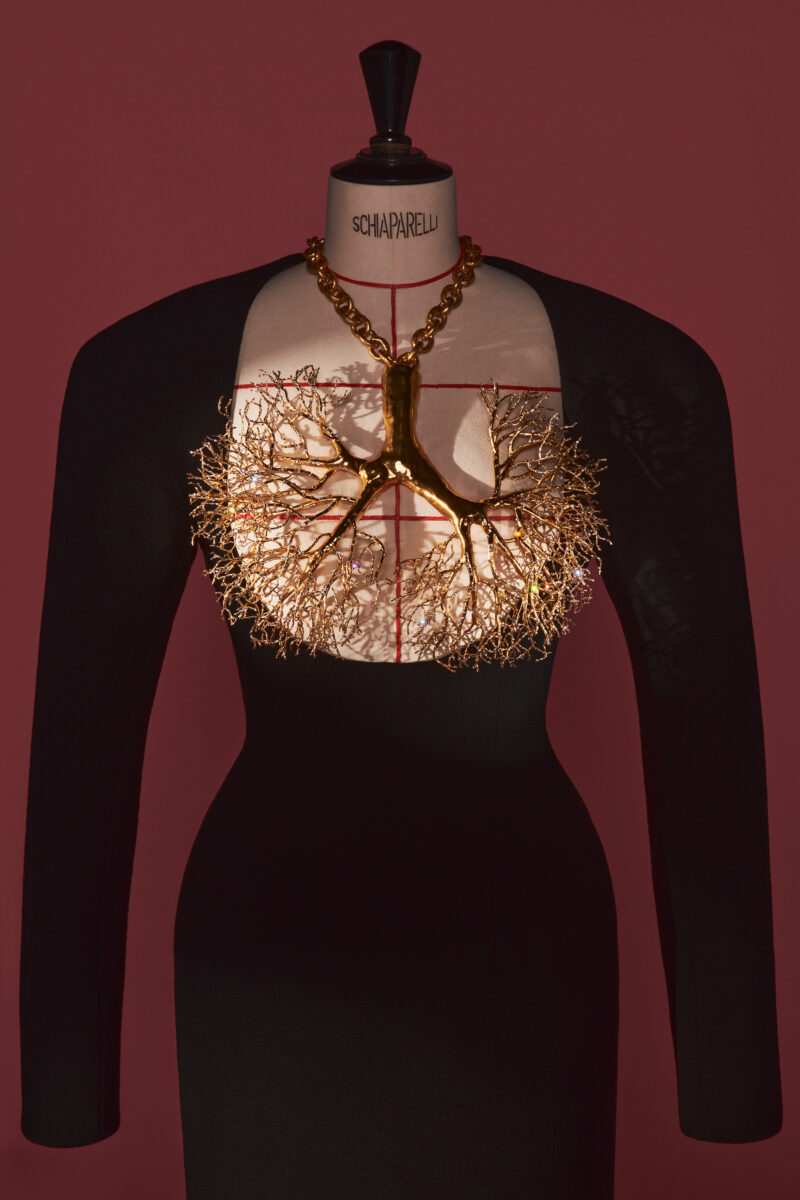
Schiaparelli: The Body as a Jewel
A necklace shaped like lungs, a ribbon hung with pine cones, an earring beside
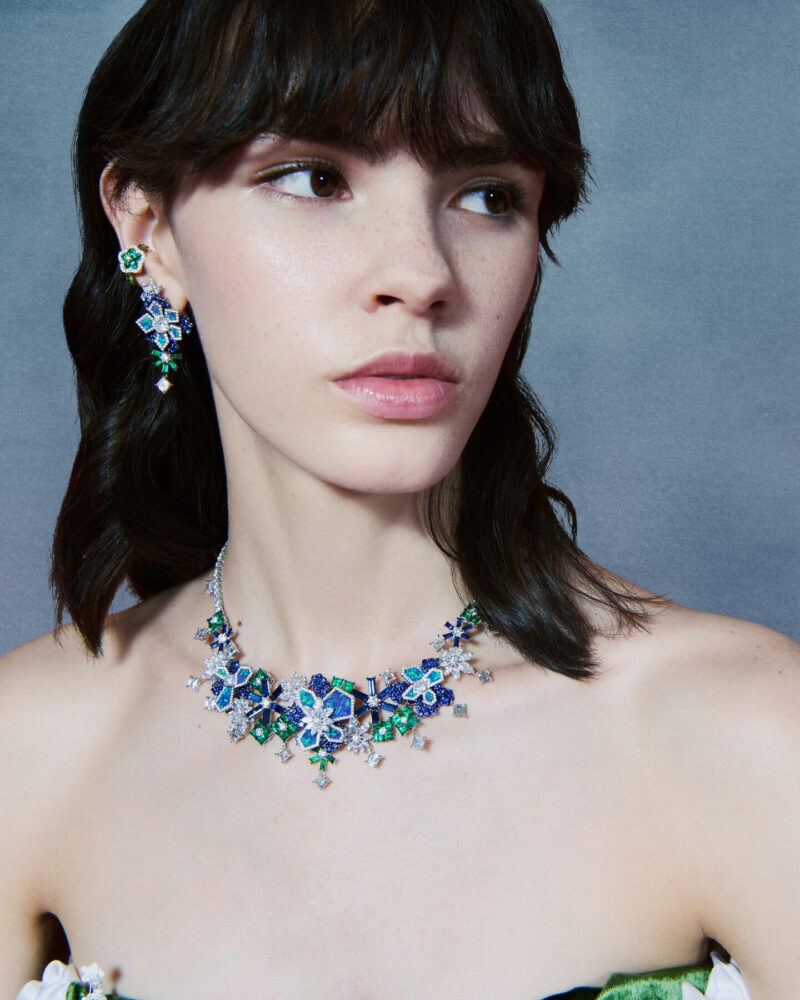
Diorissima: A Garden Composed in Gemstones
A green flower beside blue, a jewel above an open back, a brush at
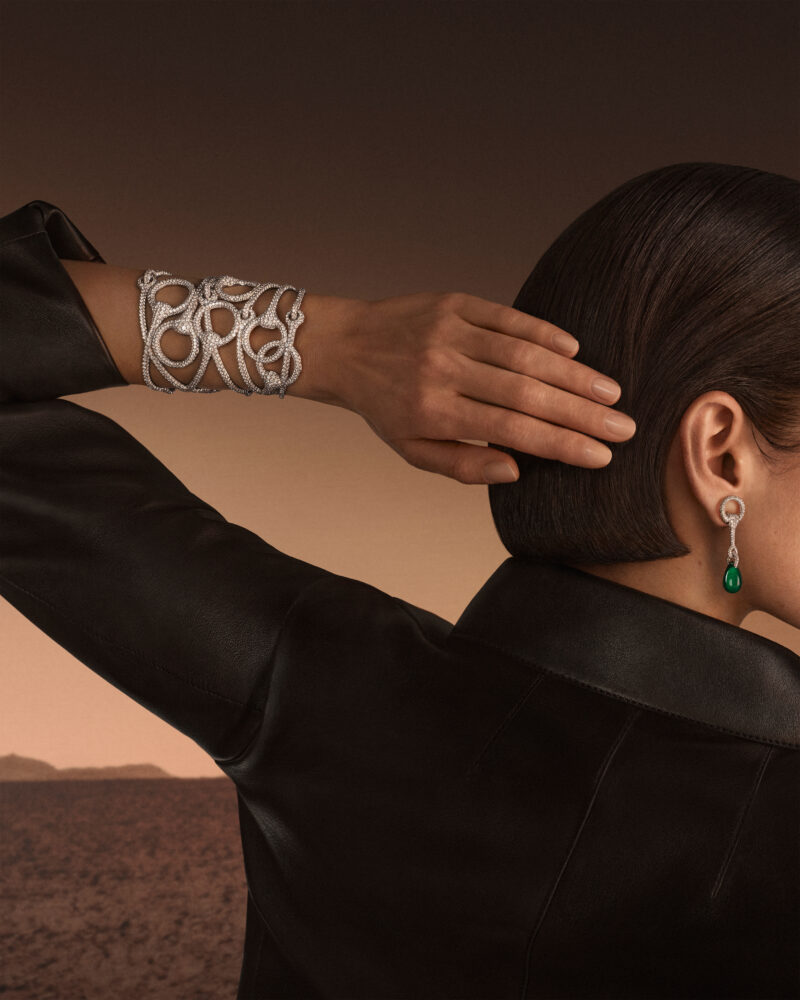
Hermès Horsescape: The Horse in the Line
A saddle at the wrist, a stirrup held against the sky, bright lines beside
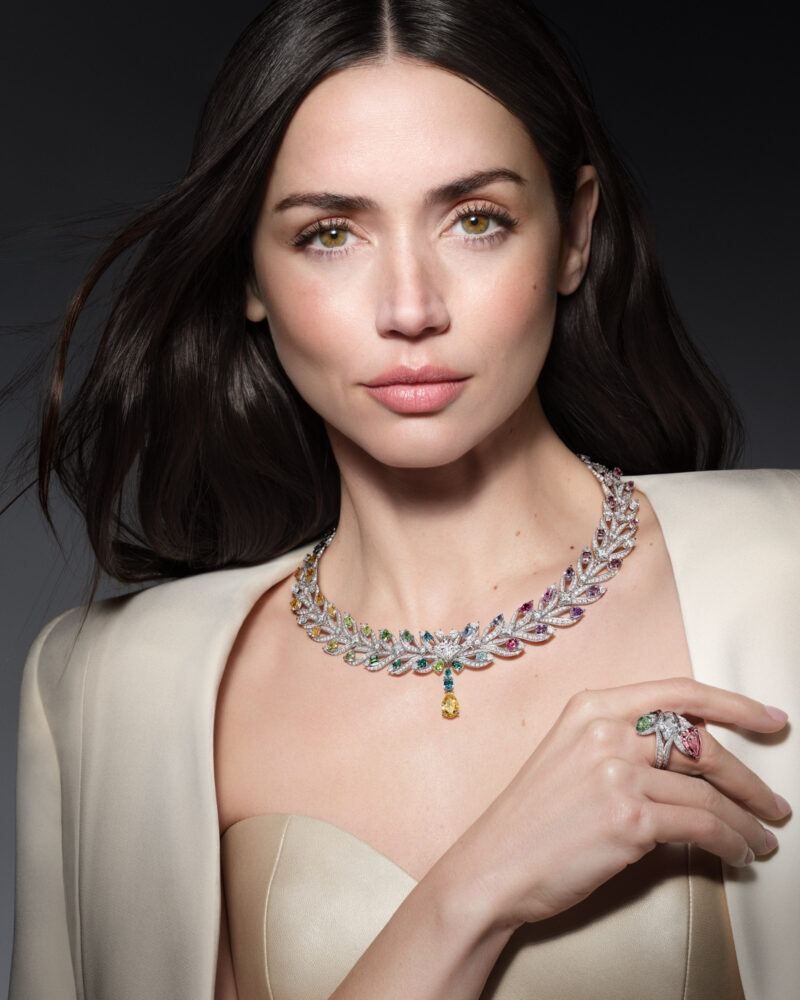
Louis Vuitton Mythica: Colour in Command
Victory’s changing colours, Conquest’s red pulse and Fortitude’s blue centre: three ways Mythica gives
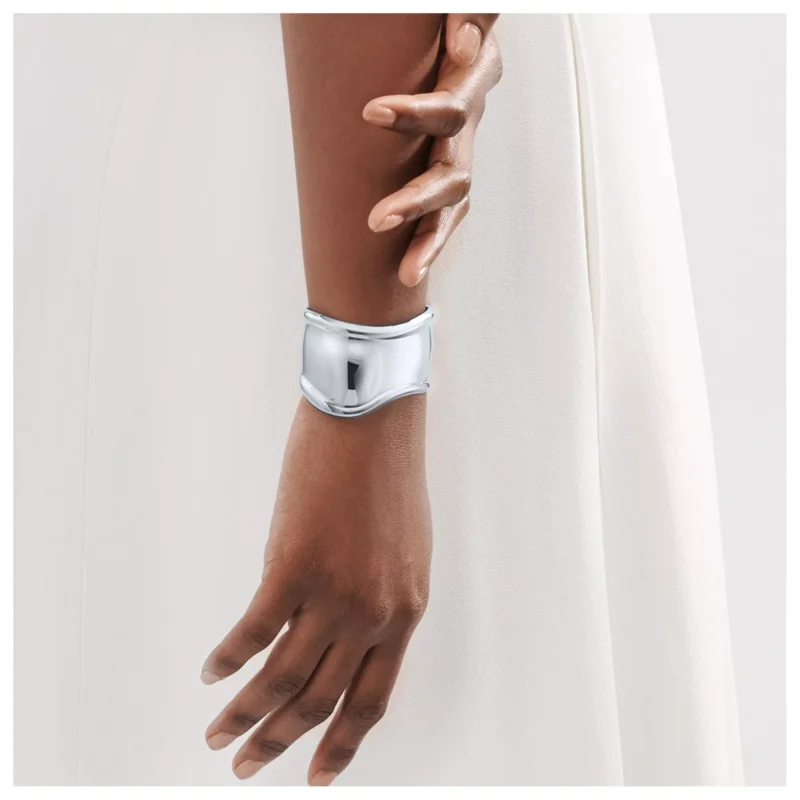
Elsa Peretti’s Bone Cuff: When Jewellery Follows the Body
Elsa Peretti’s Bone cuff begins with anatomy: a side-specific, asymmetric silver form whose surface
The Cartier Tank: A Rectangle in Conversation with Dress
A close reading of the Cartier Tank through proportion, brancards, strap, bracelet and the